Gimkit Host: Ultimate 2026 Expert Guide to Hosting High-Engagement Learning Games

Introduction
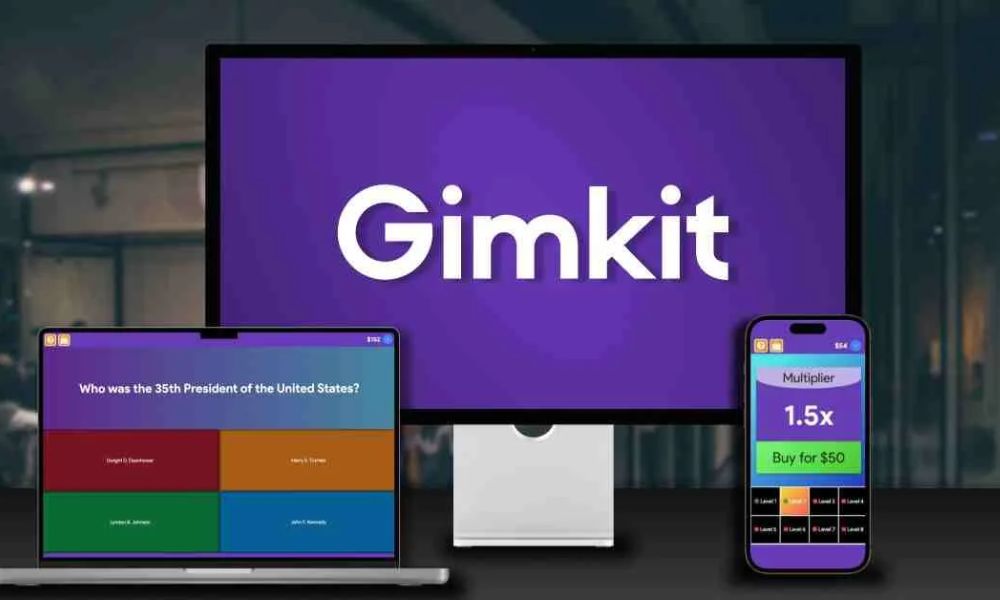
If you are searching for “gimkit host”, your goal is simple: you want to understand how to run interactive, engaging, and effective live learning games using Gimkit.
But here’s the reality most guides fail to explain:
A strong host can turn an ordinary lesson into a high-energy classroom session where students are focused, competitive, and actively learning without even realizing it.
Hosting on Gimkit is not just “starting a quiz.”
It is designing a full learning experience
A weak host? The same tool becomes just another boring quiz.
This guide is written to help you master the Gimkit host role at a professional level, using real classroom strategies, behavioral psychology, and proven teaching workflows.
What is a Gimkit Host?
A Gimkit host is the person who creates, controls, and manages a live game session inside Gimkit.
The host is responsible for:
- Creating or selecting question kits
- Choosing game modes
- Setting rules and limits
- Starting and ending the game
- Monitoring student performance
- Managing engagement and pacing
In simple terms:
A Gimkit host is the “director” of the learning game experience.
Unlike traditional quiz tools, Gimkit hosting involves real-time decision making, not just setup.
Why Gimkit Hosting Is Different From Other Platforms
Most quiz platforms are static. Gimkit is dynamic.
Let’s compare:
Traditional Quiz Tools:
- Fixed questions
- No economy system
- Limited engagement mechanics
- Predictable gameplay
Gimkit Hosting System:
- Real-time money system
- Upgrades and power-ups
- Strategy-based learning
- Dynamic game modes
- Competitive economy loop
This makes hosting more powerful—but also more important.
A host doesn’t just test knowledge. They shape behavior, motivation, and learning flow.
How Gimkit Hosting Works (System Breakdown)
When a host starts a game, several systems activate behind the scenes:
1. Kit Loading System
A “Kit” (question set) is loaded into the session.
2. Live Session Generation
A real-time game room is created.
3. Player Connection System
Students join using a game code.
4. Real-Time Data Engine
Every answer is processed instantly.
5. Economy System
Correct answers generate in-game currency.
6. Upgrade System
Players can buy advantages or boosts.
This combination creates a learning + gaming hybrid environment, which is why engagement is so high.
Step-by-Step Guide to Hosting a Gimkit Game
Step 1: Create or Select a Kit
You can:
- Build your own questions
- Use public kits
- Edit existing kits
👉 Expert tip: Always customize questions for your class level.
Step 2: Click “Play”
This opens hosting options.
Step 3: Choose Game Mode
Different modes create different learning experiences.
We’ll cover them in detail below.
Step 4: Adjust Settings
Important controls include:
- Time limits
- Power-ups
- Money multipliers
- Player limits
- Question order
👉 This is where expert hosts stand out.
Step 5: Share Join Code
Students enter using a simple code or link.
Step 6: Start Game
Once everyone joins, begin the session and monitor live activity.
All Gimkit Game Modes Explained in Detail
Classic Mode
- Standard quiz gameplay
- Earn money for correct answers
- Buy upgrades
Best for:
- Revision
- Exams
- Beginners
Team Mode
- Students grouped into teams
- Shared progress
- Collaborative strategy
Best for:
- Large classrooms
- Group learning
Trust No One Mode
- Social deduction gameplay
- Some players are hidden roles
- Students must identify suspicious behavior
Best for:
- Critical thinking
- Engagement spikes
Infinity Mode
- No time pressure
- Continuous practice
Best for:
- Homework
- Self-paced learning
Why Mode Selection Matters
Changing modes affects:
- Attention span
- Motivation level
- Learning retention
- Student behavior
👉 Skilled hosts rotate modes every 1–2 weeks.
Best Hosting Settings for Maximum Engagement
Recommended Setup:
- Medium time limits (20–30 mins)
- Enable streak bonuses
- Allow moderate power-ups
- Randomize question order
- Balanced rewards system
Why This Works:
- Rewards = motivation
- Time pressure = focus
- Randomization = attention retention
- Upgrades = strategy thinking
This creates a dopamine-driven learning cycle.
Classroom Teaching Strategies Using Gimkit
1. Warm-Up Activation
Start class with a short game to activate memory.
2. Mid-Lesson Reinforcement
Use Gimkit after teaching a concept.
3. End-of-Lesson Review
Quick revision before dismissal.
4. Homework Mode
Assign kits for home practice.
5. Weekly Competitions
Build long-term motivation.
Advanced Hosting Techniques (Expert Level)
1. Difficulty Layering Strategy
Mix:
- Easy questions (confidence)
- Medium (learning)
- Hard (challenge)
2. Adaptive Hosting
Change pace depending on:
- Student energy
- Accuracy levels
- Engagement drop
3. Behavioral Tracking
Watch for:
- Random guessing
- Over-speed answering
- Strategy-based play
4. Reward Balancing
Avoid overpowered upgrades that break learning balance.
5. Mode Rotation System
Rotate between:
- Classic
- Team
- Trust No One
Student Psychology Behind Gimkit Engagement
Gimkit works because it triggers:
- Dopamine reward loops
- Competitive pressure
- Instant feedback satisfaction
- Progress visibility
Students stay engaged because:
- They feel progress instantly
- They compete socially
- They control strategy
This makes learning feel like a game—not a task.
Data, Analytics & Performance Tracking
A Gimkit host can analyze:
- Accuracy rates
- Weak topics
- Time per question
- Student progress trends
Teacher Benefits:
- Better lesson planning
- Targeted revision
- Early identification of weak students
Real Classroom Case Studies
Case Study 1: Math Improvement
A teacher used Classic Mode daily for 2 weeks → noticeable improvement in algebra accuracy.
Case Study 2: Language Learning
Team Mode improved vocabulary retention through collaboration.
Case Study 3: Exam Preparation
Infinity Mode reduced student anxiety before exams.
Common Mistakes Every Host Should Avoid
- Using same mode repeatedly
- Ignoring difficulty balance
- Overloading too many questions
- Poor instructions before start
- Not analyzing performance data
Gimkit Host vs Other Learning Platforms
| Feature | Gimkit | Kahoot | Quizizz |
|---|---|---|---|
| Gameplay | Strategy-based | Fast quiz | Self-paced |
| Engagement | Very High | Medium | High |
| Learning Depth | Strong | Medium | Strong |
| Host Control | Advanced | Limited | Moderate |
Gimkit stands out due to its strategy + economy system.
Troubleshooting Hosting Problems
Students can’t join
- Refresh game code
- Check internet
- Restart session
Lag issues
- Reduce players
- Close background apps
Low engagement
- Change mode
- Add rewards
- Reduce difficulty spikes
Safety, Classroom Control & Digital Wellbeing
Responsible hosting includes:
- Monitoring usernames
- Preventing misuse
- Ensuring safe interaction
- Managing screen time
Teachers should balance:
- Fun
- Learning
- Discipline
Future of Gimkit Hosting in Education
The future will include:
- AI-generated question kits
- Adaptive difficulty systems
- Real-time learning analytics
- Personalized student pathways
Hosting will become more data-driven and intelligent, but teacher control will remain essential.
Conclusion
Becoming a skilled Gimkit host is about more than running quizzes—it is about designing interactive learning experiences that improve engagement, retention, and motivation.
When used correctly, Gimkit transforms classrooms into active learning environments where students don’t just answer questions—they think, compete, and learn strategically.
Mastering hosting techniques is what separates average teachers from highly engaging educators.
Also Explore: How to Recover Scammed Crypto in the UK: A Practical Guide
FAQs
1. What does a Gimkit host do?
A host creates and manages live game sessions and controls gameplay settings.
2. Is Gimkit good for learning?
Yes, it improves engagement and knowledge retention.
3. Can students join without accounts?
Yes, using a game code.
4. Which mode is best?
Classic is best for beginners, Team Mode for collaboration.
5. How long should a session be?
20–30 minutes is ideal.
6. Can it be used online?
Yes, it supports remote learning.
7. Does Gimkit track progress?
Yes, it provides detailed analytics.
8. What makes a good host?
Good pacing, balanced difficulty, and smart mode selection.
9. Is Gimkit better than Kahoot?
It offers deeper strategy-based learning compared to Kahoot.
10. Can Gimkit be used for homework?
Yes, Infinity Mode works well for self-study.