
Lewis Center, Ohio Champion Trees: Complete 2026 Guide to Ohio’s Living Giants

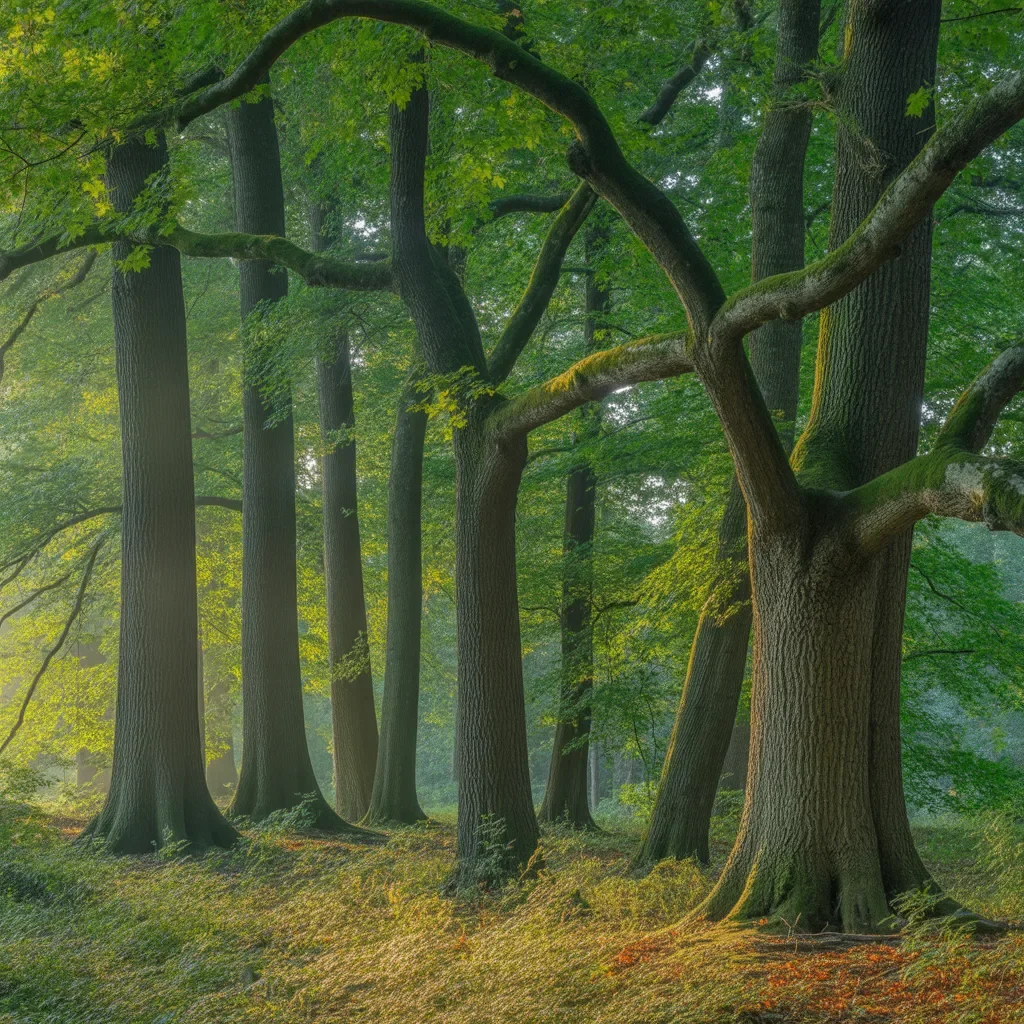
Across quiet neighborhoods, riverbanks, and forested ravines in Lewis Center, Ohio, stand some of the most extraordinary trees in the state. These are not just large trees—they are officially recognized champion trees, meaning they are the largest recorded examples of their species in Ohio.
Located in Delaware County just north of Columbus, Lewis Center has become a notable hotspot for tree enthusiasts, researchers, and conservationists. Interestingly, just like how innovation is transforming industries (see more in our Technology Insights section: https://5starssstocks.com/category/tech/, natural ecosystems like this continue to evolve in equally fascinating ways.
What Is a Champion Tree?
A champion tree is the largest known specimen of a specific species within a defined region, such as a state or country. The designation is based on precise scientific measurements rather than appearance or age alone.
In Ohio, champion trees are identified and maintained by the Ohio Department of Natural Resources.
Measurement Criteria
| Measurement Type | Description |
| Trunk Circumference | Measured at 4.5 feet above ground |
| Tree Height | Total height to the tallest living point |
| Crown Spread | Average width of the tree canopy |
Why Does Lewis Center Have So Many Champion Trees?
1. Fertile Glacial Soil
Ancient glaciers deposited deep, nutrient-rich soil in central Ohio, providing ideal conditions for extensive root development and strong growth.
2. Consistent Water Supply
The presence of the Olentangy River and Alum Creek ensures steady moisture levels.
3. Protected Natural Areas
Parks such as Highbanks Metro Park and Alum Creek State Park preserve old-growth forests.
4. Low Historical Disturbance
Some areas were never heavily farmed or logged, allowing trees to grow uninterrupted for centuries.
Notable Champion Tree Species
Species Overview
| Tree Species | Key Characteristics | Typical Size Range |
| Eastern Cottonwood | Extremely fast-growing | 120+ ft tall |
| White Oak | Strong, long-lived | 200+ years old |
| American Sycamore | Massive trunk, unique bark | Very wide canopy |
| Bur Oak | Highly durable | 300–400 years lifespan |
| Pawpaw | Small understory tree | 20–25 ft tall |
Eastern Cottonwood
One of the most prominent champion trees in the region, reaching over 120 feet in height.
If you’re interested in how modern tools help researchers study such natural giants, check out this guide on AI tools:
https://5starssstocks.com/best-free-ai-tools-for-students-2026/
White Oak
Known for its durability and slow growth, often living more than 200 years.
American Sycamore
Recognizable by its mottled bark and massive trunk size.
Bur Oak
A long-living species capable of surviving up to 400 years.
Pawpaw
Although smaller, it holds champion status and produces unique fruit.
Where to See Champion Trees
| Location | Highlights |
| Alum Creek State Park | Home to the largest cottonwood |
| Highbanks Metro Park | Deep ravines and mature forests |
| Local Preservation Areas | Potential undiscovered champions |
Environmental Importance
Champion trees play a crucial role in maintaining ecological balance:
- Carbon sequestration
- Urban cooling
- Stormwater control
- Biodiversity support
Much like choosing the right tools in technology (see alternatives here: https://5starssstocks.com/best-janitor-ai-alternatives preserving the right natural resources is essential for long-term sustainability.
How to Nominate a Champion Tree
- Measure trunk circumference
- Estimate height
- Measure crown spread
- Take photos
- Submit data to the Ohio Department of Natural Resources
Threats to Champion Trees
| Threat | Impact |
| Urban Development | Root damage |
| Extreme Weather | Structural damage |
| Invasive Species | Disease |
A major example is the Emerald Ash Borer.
Historical Significance
Many of these trees existed before Ohio became a state in 1803. They served as natural landmarks and remain living records of history.
Frequently Asked Questions
What is the most famous champion tree?
Eastern Cottonwood in Alum Creek State Park
Can visitors see them?
Yes, most are in public parks
How old are they?
Typically 200–300 years or more
Conclusion
Lewis Center’s champion trees are more than just large plants—they are ecological assets, historical landmarks, and symbols of resilience.
Protecting them ensures future generations can experience these natural giants.