Tech Deck vs Pro Fingerboards — What’s the Difference?

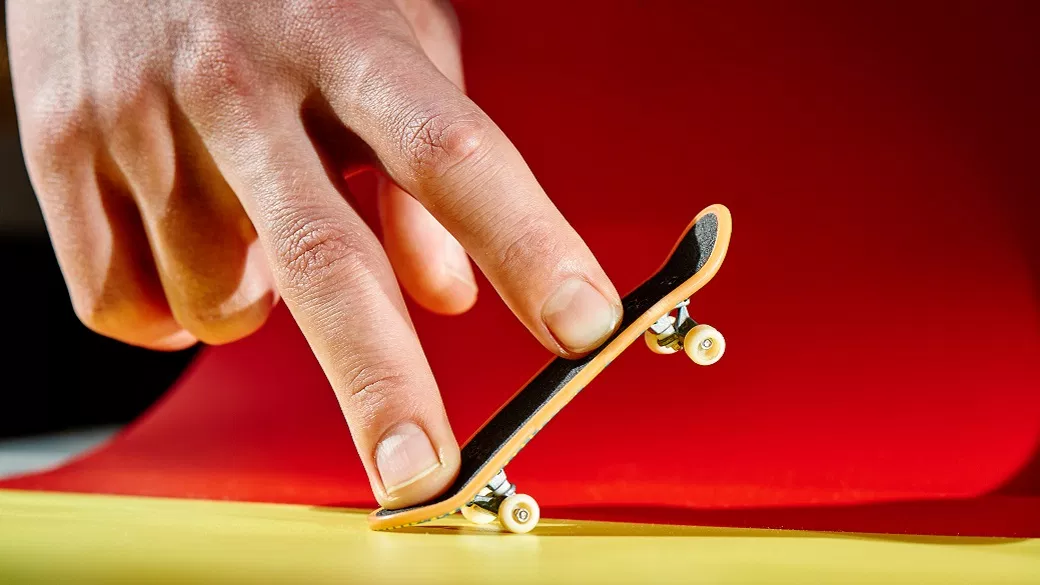
There’s something strangely satisfying about a tiny skateboard that fits in the palm of your hand. No helmet required. No scraped knees. Just your index finger, your middle finger, and a miniature board that somehow makes you feel like Tony Hawk — even if you’re sitting at your kitchen table.
That’s the magic of Tech Deck.
If you’ve been seeing these little fingerboards everywhere and wondering what the fuss is all about, you’re in the right place. Whether you’re a parent thinking about buying one for your kid, a nostalgic adult who remembers these from the 90s, or a complete newcomer — this guide covers everything you need to know about Tech Deck in 2025.
So What Exactly Is a Tech Deck?
A Tech Deck is a miniature fingerboard — a tiny replica of a real skateboard, scaled down to fit under your fingers. You use your index and middle fingers to ride it, flip it, grind it, and pull off tricks just like a real skateboarder would with their feet.
What makes Tech Deck stand out from random toy skateboards is authenticity. These aren’t just generic plastic boards with made-up branding. Tech Deck features real graphics from the biggest and most respected names in actual skateboarding culture — brands like Element, Primitive, Plan B, Baker, Enjoi, Toy Machine, and many more. When you hold a Tech Deck, you’re holding a miniature version of something a real pro skater would actually ride.
The boards are 96mm wide, which is the standard size, and they come with real grip tape on top, functional trucks underneath, and wheels that actually spin. You can even customise them — swap the wheels, change the trucks, mix and match parts from different boards. It’s a proper little hobby disguised as a toy.
Where Did Tech Deck Come From?
Tech Deck has been around since the late 1990s and has been going strong for over 25 years. It’s made by Spin Master, a major toy company, and it tapped into skateboarding culture at exactly the right moment — when skateboarding was exploding in mainstream popularity thanks to people like Tony Hawk and the X Games.
The concept was simple but brilliant. Not every kid could skateboard, but every kid could fingerboard. You didn’t need a skatepark, you didn’t need to fall off a ramp a hundred times to learn an ollie — you just needed a flat surface and some patience with your fingers. Tech Deck made skateboarding culture accessible to absolutely everyone.
Who Is Tech Deck Actually For?
This is where it gets interesting, because the answer is — pretty much everyone.
Kids aged 6 and up are the obvious audience. Fingerboarding is easy to pick up, endlessly entertaining, and genuinely helps develop finger dexterity and coordination. Parents love it because it’s affordable, compact, and keeps children engaged without a screen involved.
But Tech Deck isn’t just a kids’ toy. There’s a serious adult collector community built around these boards. Rare and limited edition decks — collaborations with famous skaters, artist series, anniversary editions — can become genuine collectibles with real value. Brands like Primitive Skateboarding and Plan B regularly release limited edition Tech Decks that sell out fast and trade hands between collectors at much higher prices.
And then there are the serious fingerboarders. People who practice tricks for hours, film their sessions, share them online, and compete in fingerboarding events. For these enthusiasts, Tech Deck is often where it all started — the gateway into a hobby that runs much deeper than most people realise.
What Can You Actually Do With a Tech Deck?
More than you’d think. The basics are easy to pick up — an ollie (the fundamental jump), kickflips, heelflips — but the ceiling is incredibly high. Experienced fingerboarders can pull off the same tricks you’d see in a professional skateboarding video, just scaled down to finger size. Grinds, manuals, impossibles, 360 flips — all of it is possible with practice and the right setup.
Tech Deck also makes a huge range of ramps, parks, and obstacles to go with the boards. Their Transforming Container Ramp turns into a full mini skatepark. The X-Connect World lets you build and customise your own course. The Sk8 Garage Skatepark set gives you a complete setup to practice in. You can build a legitimate mini skate world on your desk or bedroom floor.
There’s also a strong YouTube and Instagram community around fingerboarding, with tutorials, trick guides, and competition footage — so learning new tricks is easier than ever.
How Much Does a Tech Deck Cost?
This is one of the best things about the hobby — it’s genuinely affordable. A single 96mm fingerboard typically costs between £3 and £8 depending on where you buy it. The DLX Pro 10-Pack, which gives you ten different boards with real skate graphics, comes in around £15 to £25 and is one of the best value options if you’re just getting started or buying as a gift.
Ramp sets and skatepark accessories range from around £15 for a starter kit up to £30 or more for the bigger transforming sets. Limited edition and collector decks can cost more, and rare ones on the secondary market can fetch significantly higher prices.
For a hobby that can entertain someone for hours and has genuine depth if you want to go deep — the entry cost is remarkably low.
Tech Deck vs Pro Fingerboards — What’s the Difference?
Once you’ve been fingerboarding for a while, you might start hearing about “pro fingerboards” — brands that make higher-end boards with wooden decks, metal trucks, and more realistic performance. These cost significantly more than a Tech Deck but offer a closer feel to an actual skateboard.
Tech Deck is the perfect starting point. The boards are plastic and affordable, designed for casual play and learning. If fingerboarding becomes a serious passion, upgrading to a pro setup makes sense. But for most people — kids, gift buyers, casual hobbyists, and collectors — Tech Deck hits the sweet spot of quality, authenticity, and price that nothing else quite matches.
Is Tech Deck Worth Buying in 2026?
Absolutely. In a world full of screens and expensive gadgets, Tech Deck offers something refreshingly tactile and skill-based. It’s a hobby you can pick up for the price of a coffee, carry in your pocket, and lose hours to without even realising it.
For kids it builds patience, coordination, and creativity. For collectors it offers a rabbit hole of rare graphics and limited editions. For serious fingerboarders it’s the foundation of a legitimate hobby with a passionate global community behind it.
Whether you’re buying one as a gift, revisiting something you loved as a kid, or discovering fingerboarding for the first time — Tech Deck in 2026 is just as cool as it’s always been. Maybe cooler.